In Depth
Commercial Plumber In Calgary: How It Actually Works
Commercial plumbing in Calgary is residential plumbing with more people depending on it. A leak in a house affects one family. A leak on the fourth floor of a condo building can reach three units below it, a grease line that backs up at a restaurant costs a night of service, and a riser repair in an office tower has to be planned around tenants who expect water at 8 a.m. We work for restaurants, offices, condo buildings, rental properties and the property managers who look after them, and the approach is the same every time: isolate the smallest section possible, find the real source, put the price in writing, and leave a report the building can keep.
Leaks between units: shared stacks and risers
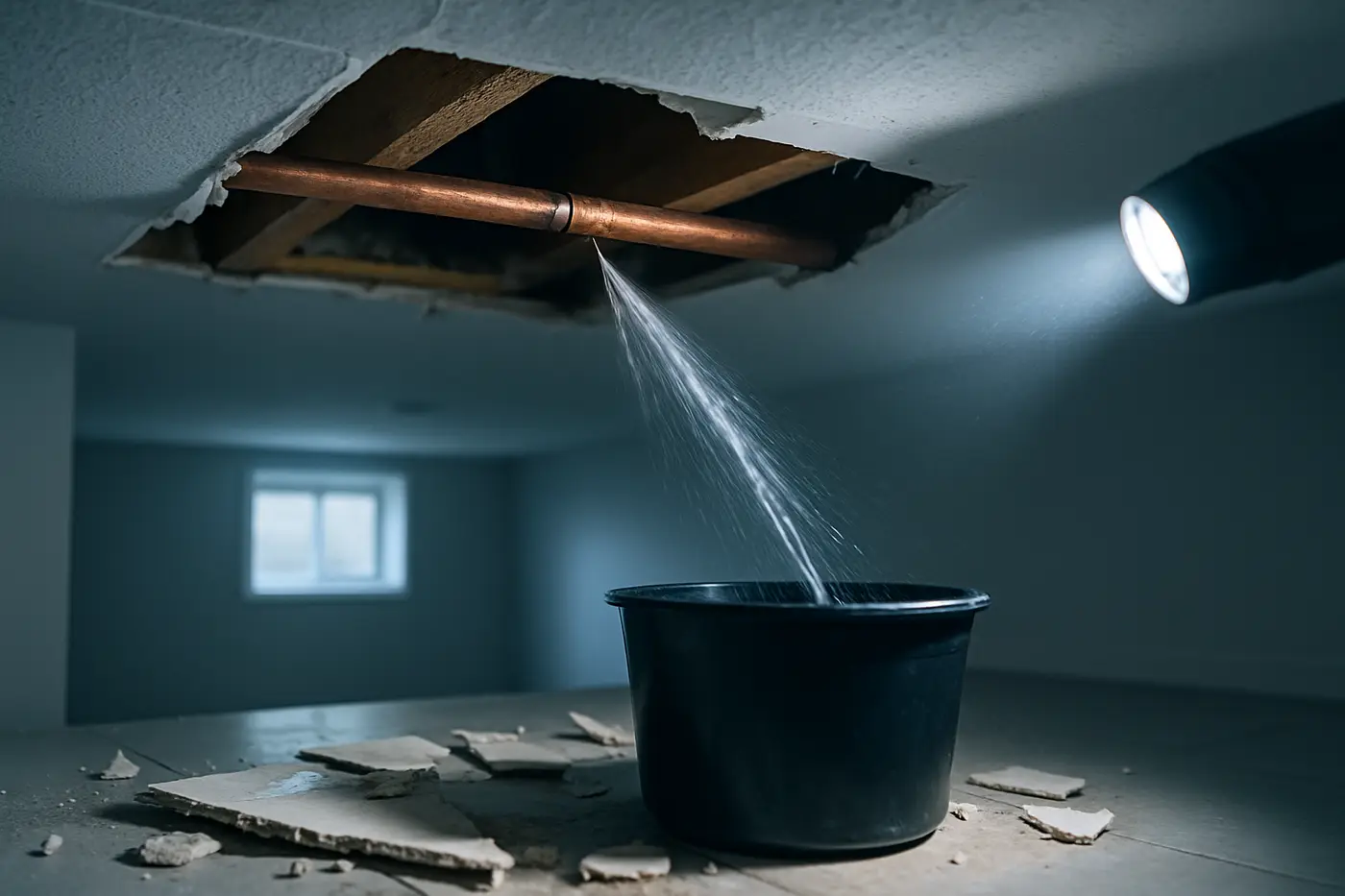
In multi-unit buildings the water rarely shows up where the leak is. It travels along a slab, follows a pipe chase, and appears as a stain two floors down. The plumbing that serves several units, the drain stacks and the supply risers, is shared, and when it fails the repair involves more than one owner or tenant.
The sequence we follow:
- Isolate. Building staff or the plumber shut off the unit, the floor or the riser, in that order of preference. Shutting the whole building is the last resort.
- Trace upward. The plumber works up from the stain, unit by unit. Building management arranges access. When the source is behind finished walls, leak detection (typically $300 to $700) finds it without opening every ceiling.
- Temporary and permanent fix. A clamp or a short replacement section gets water back to the rest of the building. If the permanent repair needs a planned shutdown, it is priced separately.
- Document. Photos and a written report for the building file, the condo board and any insurance claim.
Cold snaps are when risers and supply lines in larger buildings get tested hardest. On December 27, 2021, pipes burst in a downtown Calgary apartment building and hundreds of residents were evacuated. That is the scenario an isolation plan is for. The burst pipe repair page covers the repair side in more detail.
Restaurants and grease lines
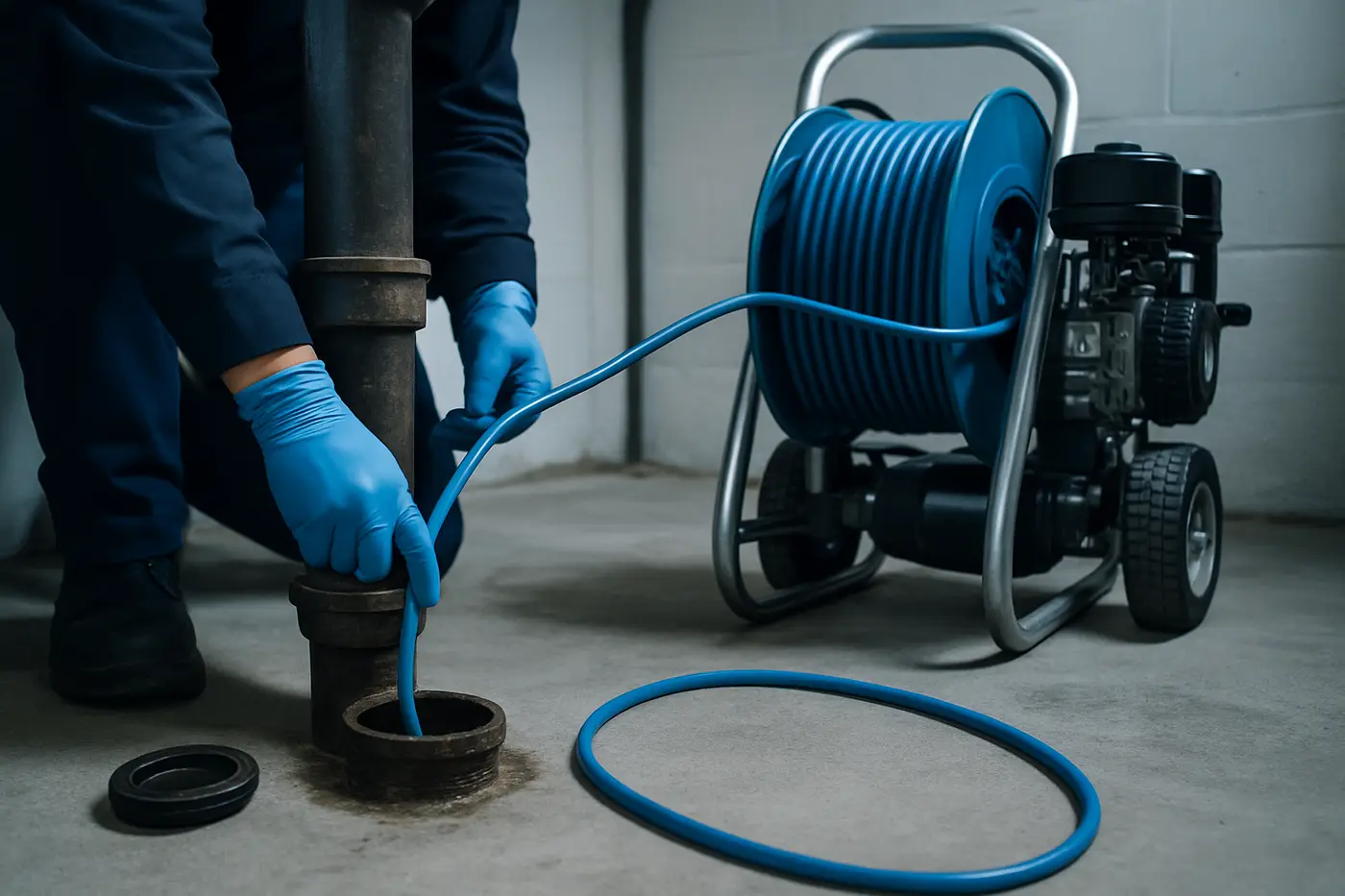
Kitchen drains fail on a Friday night because that is when they carry the most. Grease cools and sticks to the pipe walls, food solids catch on it, and eventually the line closes. A cable machine opens a path. Hot water jetting, typically $450 to $1,100, strips the grease off the walls, which is what keeps the line open for longer. A sewer camera inspection ($250 to $550, often credited toward repair) tells you whether the line is only coated or has a sag or break that no amount of jetting will fix.
The 17th Avenue SW bar and restaurant strip in the Beltline and the Kensington business district in Hillhurst-Sunnyside, where some commercial buildings date from before the First World War, are the kind of places where busy kitchens meet older drain lines. For restaurants with repeat backups, scheduled jetting costs less than one emergency during service. See emergency drain cleaning for the equipment and the residential side.
Offices and downtown towers
Downtown Calgary has the second-largest concentration of head offices in Canada, and those towers run on shared risers, stacks and building management. Work there means coordinating with the building: access, elevator bookings, shutdown notices to tenants, and after-hours windows. Much of it is planned rather than emergency, and it is priced that way. Our City Centre page covers the downtown core, the Beltline, Mission, Inglewood and Hillhurst-Sunnyside.
Property managers, landlords and condo boards
What a property manager usually needs is something to send to the owner or the board. Every job comes with:
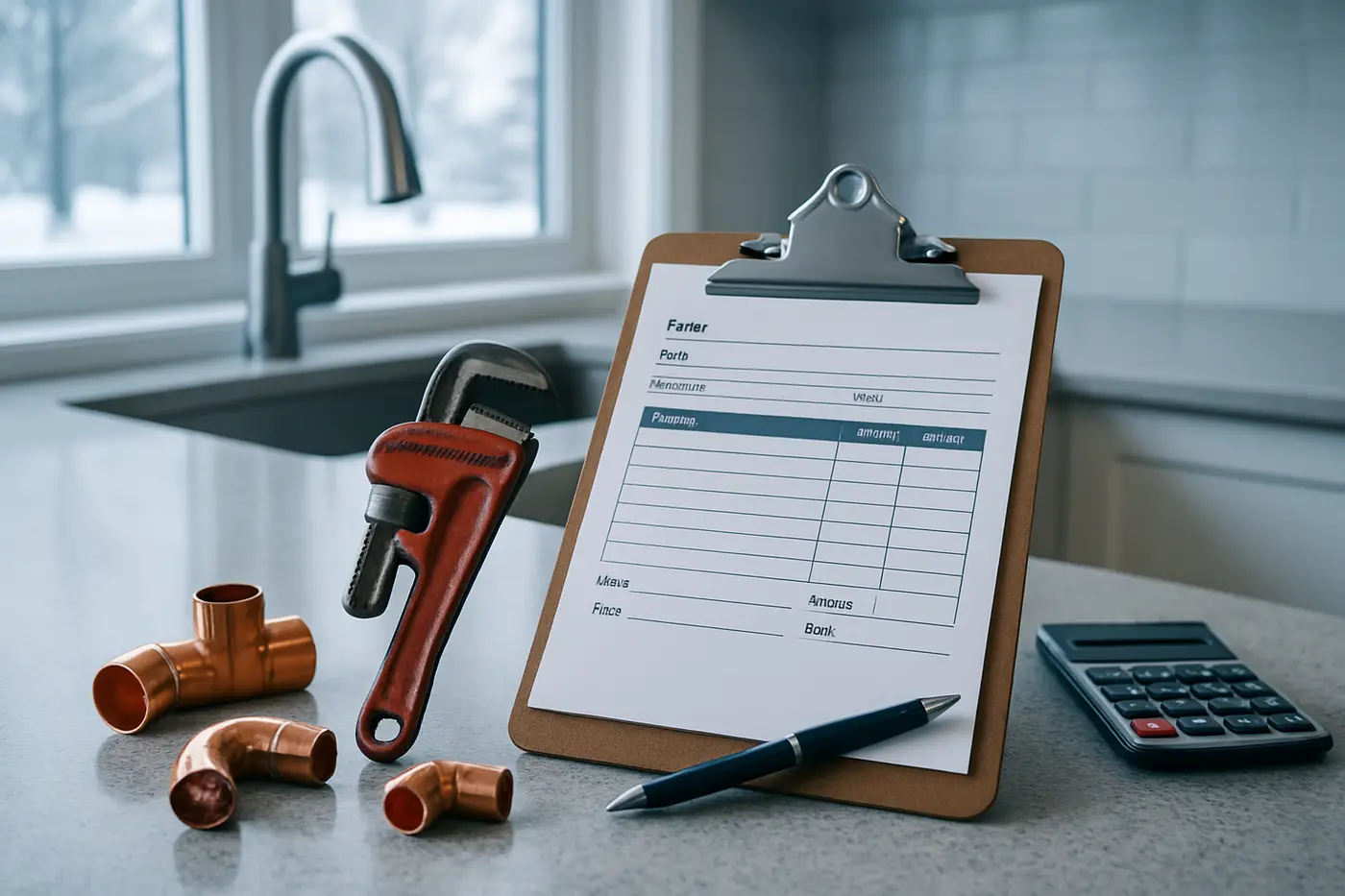
- a written scope and price before work starts, with the temporary repair and the permanent fix as separate lines;
- photos of what failed and where;
- the permit reference when the work alters the plumbing or gas system.
Consent matters. Work inside a unit needs the owner or tenant to agree to access. Work on condo common property needs the board or its manager to authorize it. Work in a rental is approved by the landlord. Homeowner permits do not exist for rentals or apartment condos, so permitted work in those buildings is done by a licensed contractor.
Backflow preventer testing
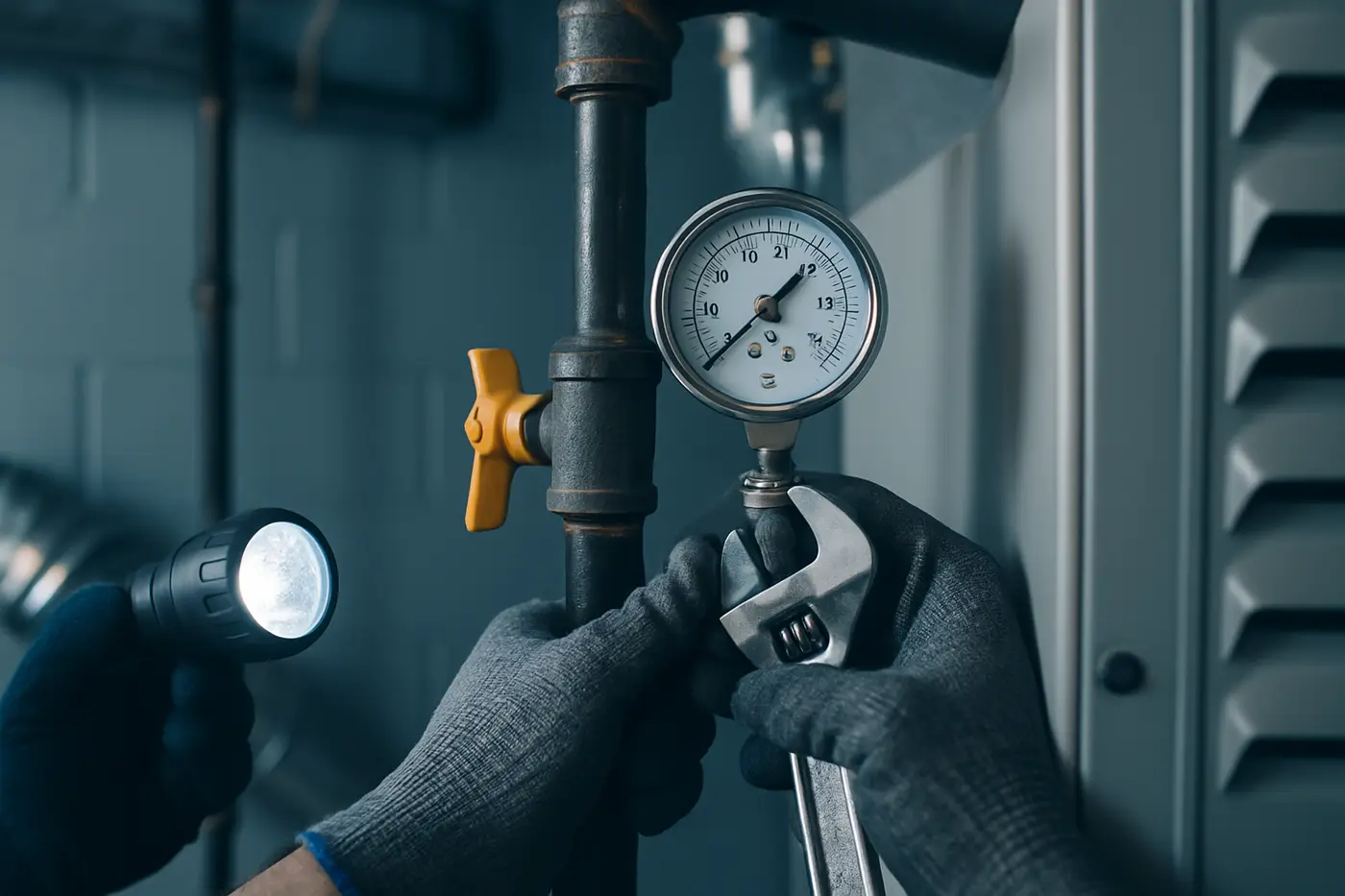
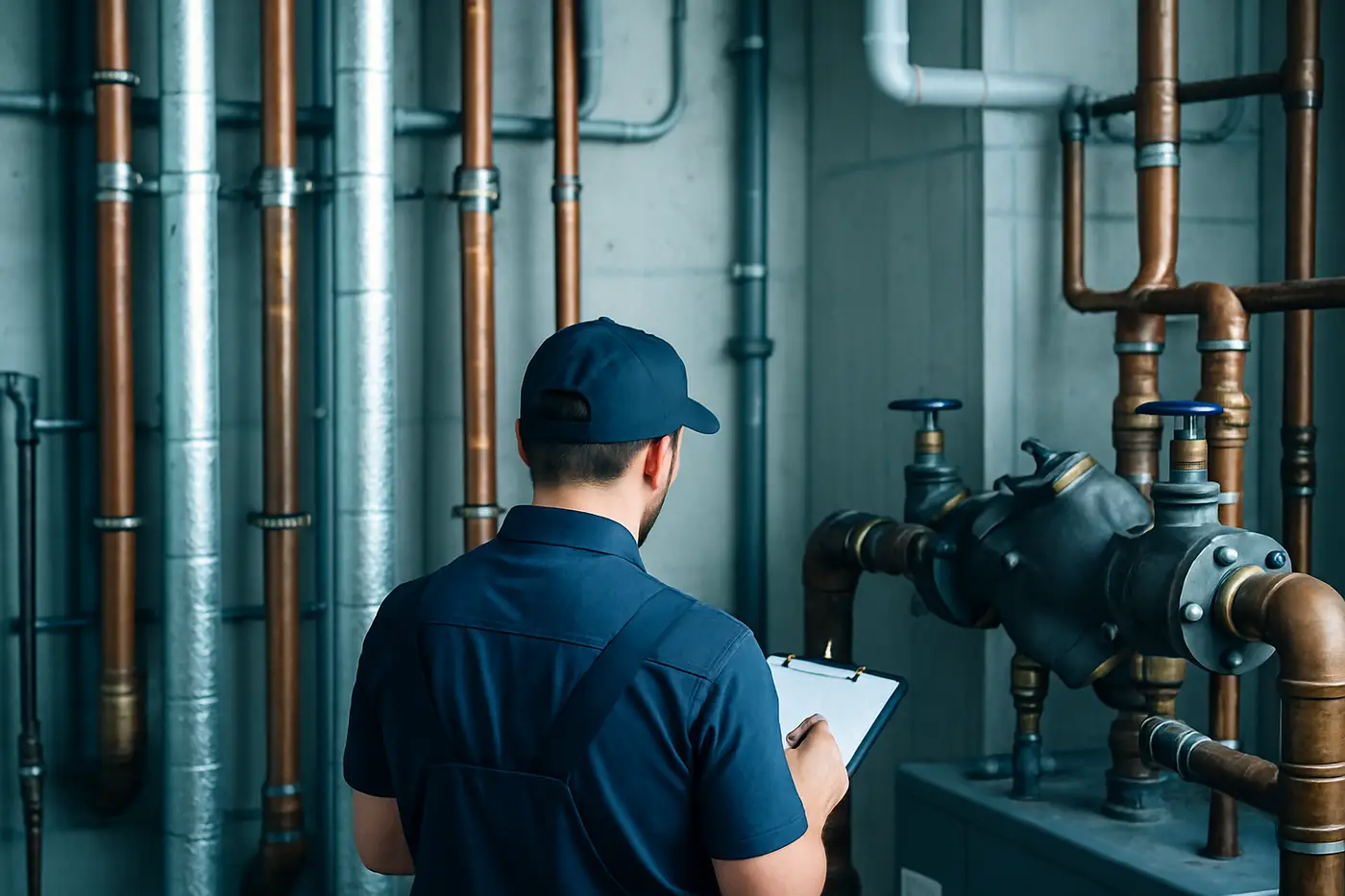
Backflow preventers keep water from a building’s system from flowing back into the drinking water supply. Restaurants, commercial buildings and anything with boilers, irrigation or process equipment tend to have them. Testing is done by a certified plumber with a test kit, with a written result for your records. Typical Calgary ranges: $120 to $275 for a test, $350 to $1,300 for a repair.
Permits and licensing
The City’s rule is that “All plumbing and gas installations require permits.” A plumbing permit is needed when a system is constructed, extended or altered, including replacing water and sewer lines. Repairing a leak, replacing existing fixtures or clearing a blockage does not need one.
To pull trade permits in Calgary, a business needs a City Contractor business licence and registration as a City Qualified Tradesperson, and applicants hold valid trade certification. Our plumbers and gasfitters are Alberta-certified journeypersons, with certificate details available on request. Gas work in a commercial kitchen or mechanical room is covered on the gas fitting page.
One consumer rule does not apply here: Alberta’s prepaid contracting licence and its 10-day cancellation rights are for home repair contracts. Commercial buildings are exempt. For a commercial contract, the protection is in the written scope, the permit and the certification of the people doing the work.
Emergency or planned: what changes
| After-hours emergency | Planned commercial work | |
|---|---|---|
| Typical trigger | Leak between units, grease line backup, flooded mechanical room | Riser replacement, valve upgrades, tenant fit-out, backflow testing |
| Call-out | $175–$395 after-hours, weekend or holiday | Service call $99–$199 in business hours |
| Labour | $165–$250 / hour after-hours | $110–$165 / hour business hours |
| Shutdown | Smallest section possible, right away | Scheduled with building management and posted to tenants |
| Permit | Usually not for a leak repair | Where the system is altered |
| Paperwork | Report and photos for the file and insurer | Written scope for the owner or board |
Water and sewer lines to the building
Ownership splits at the property line, the same as for houses. The City owns the water pipe from the main to the property line and the service valve. The owner owns the pipe from there into the building. Sewer connections split the same way. A private-side leak must be repaired within 15 days or the City may issue a remedial order. The City is also replacing residential and business water meters between 2025 and 2030.
How to reach us
For a leak or backup happening now, call. You get an honest arrival window on the phone, based on where the nearest plumber actually is and what the roads are doing, and the after-hours cost before anyone is dispatched. For planned work, send the details and we will set up a site visit. How to choose a plumber in Calgary lists the questions to ask any commercial contractor, and the emergency plumber cost guide explains where these prices come from.
Last updated September 26, 2026