In Depth
Sewer Line Repair In Calgary: How It Actually Works
Sewer line repair in Calgary starts with one question: whose side of the property line is the problem on? Your house drains through a single connection that runs under the basement slab, out under the yard and into the City’s sanitary main. Under the Wastewater Bylaw 14M2012, the owner provides and owns that connection from the property line to the house plumbing, and the City owns the rest. Sewer pipe repair on the private side is a job for a plumbing contractor with a permit, a camera and a written quote. This page explains how that work runs, what it costs, and which parts can wait for daytime rates.
A sewer backup: 311 first, then a plumber
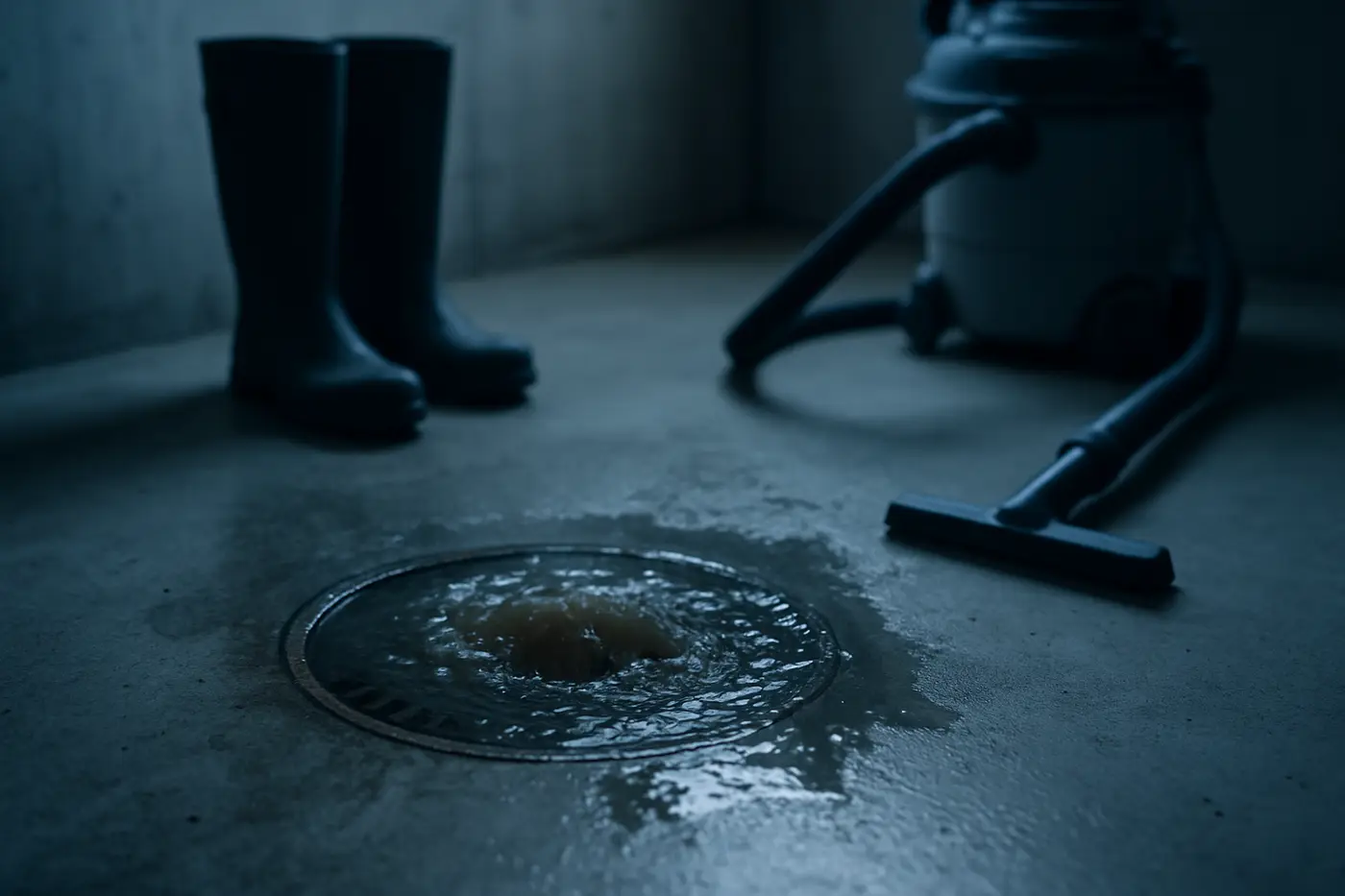
If sewage is coming up through the basement floor drain, the City of Calgary asks you to call 311 first. A City crew snakes to the main to find out whether the blockage is public or private. If it is public, it is the City’s to fix. If it is private, the City’s advice is to call a plumber.
While you wait, stop all water use in the house. Every flush upstairs and every load in the washer drains straight to the lowest opening, which is usually the floor drain beside the furnace room. Do not pour chemical drain openers into a backed-up line: they do not clear roots or broken pipe, and they make the water dangerous for whoever opens the cleanout.
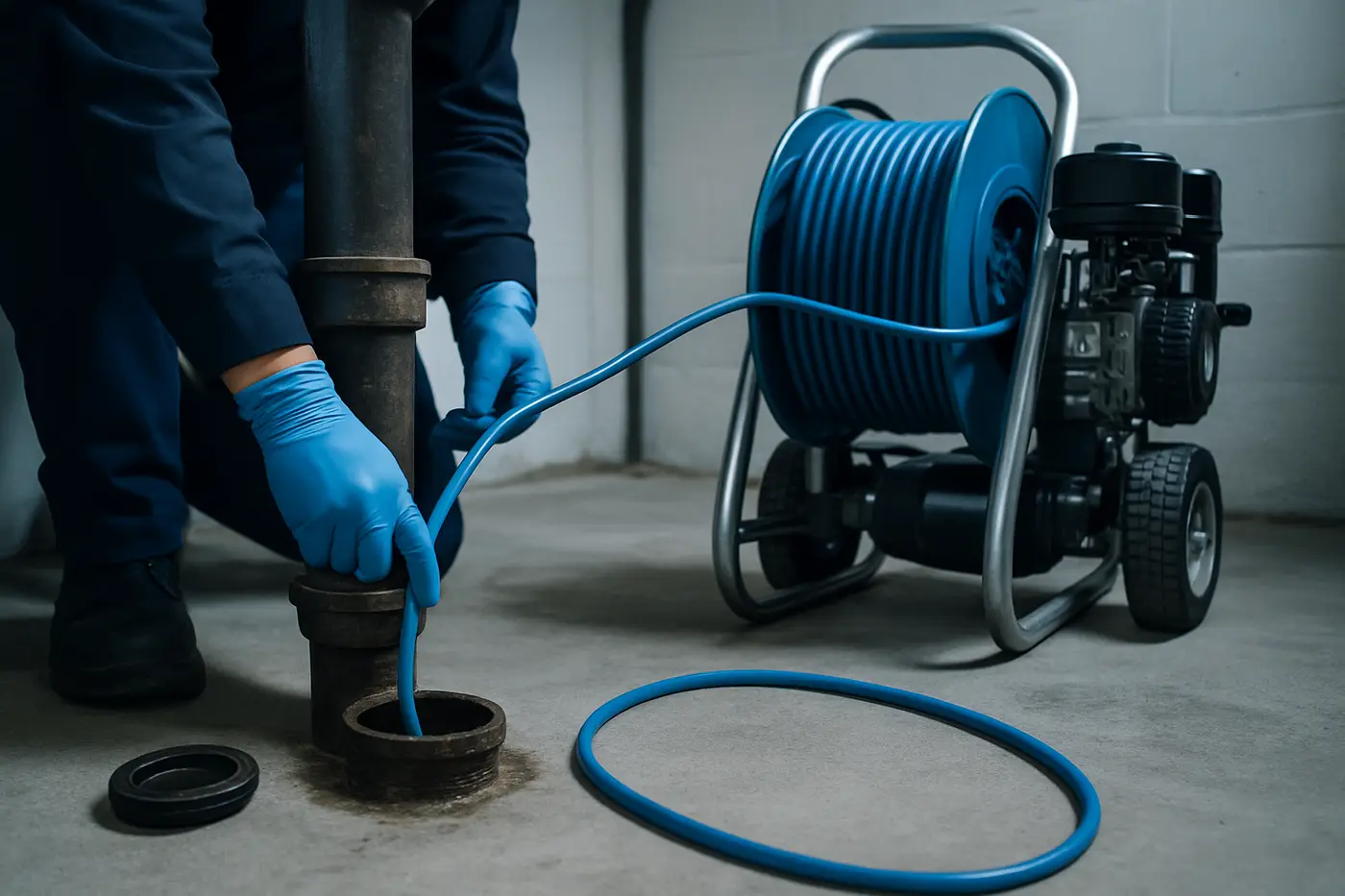
Once the blockage is confirmed on your side, the first visit is about flow, not repair. The line is cleared through the cleanout with a cable machine, which is drain cleaning work. Clearing gets the house working again. It does not fix the joint, crack or sag that caused the blockage.
What goes wrong with Calgary sewer connections
The material depends mostly on when the house was built.
Clay. Common in older communities. The pipe itself lasts, but the joints every short length can open up as ground moves, and an open joint lets in roots. In a mature community like Brentwood, with 1960s bungalows and big trees, roots are the classic cause of repeat backups.
Cast iron. Found under the slab and in stacks in the oldest homes, including original housing in Inglewood. Cast iron scales and corrodes from the inside until the bore narrows, and the bottom of a horizontal run can rot through.
Plastic (ABS or PVC). Newer homes and replaced connections. Fewer material failures, but sags from poor bedding and joints pulled apart by settling still happen.
A special case is the infill lot. In Altadore and across SW Calgary, a new house can sit on an old lateral. If the connection was not replaced during the build, a camera before the warranty discussion is worth the money.
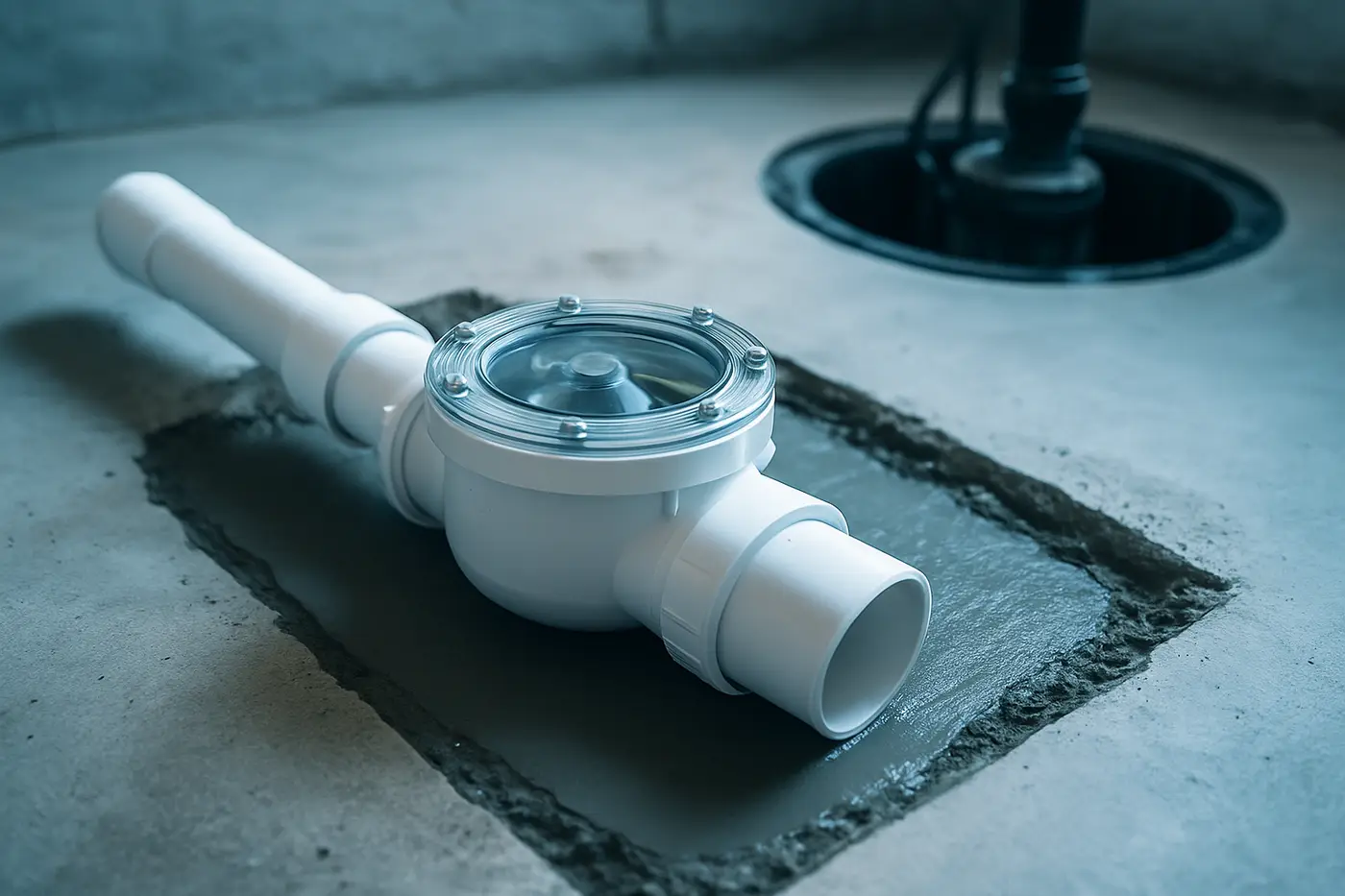
Calgary runs separate systems: storm pipes carry rain and snowmelt to the nearest river or creek, and the sanitary sewer carries household waste to the treatment plants at Bonnybrook, Fish Creek and Pine Creek. Your house connection belongs to the sanitary side. Downspouts and sump discharge are handled differently, which is covered on the backwater valve and sump page.
Camera first, then decide
After the line is cleared, a camera goes in through the cleanout and records the connection with distance markers. A locator on the camera head gives the spot and its depth from the surface. Nobody should quote a sewer repair without this footage, and you should get a copy.
What the camera shows sets the options:
| Option | Digging | Typical Calgary range | When it fits |
|---|---|---|---|
| Cable clearing | None | $250–$650 | Restore flow now; roots or a soft blockage |
| Hot water / hydro jetting | None | $450–$1,100 | Grease, scale, a heavy root mass |
| Camera inspection | None | $250–$550 | Before any repair decision |
| Spot repair (private side) | One excavation | $2,500–$7,500 | A single bad joint, crack or broken section |
| Replacement (private side) | Trench or access pits | $9,000–$30,000+ | Failures along most of the run |
A line with one root entry point in otherwise sound pipe is a spot repair. A clay line with roots at joint after joint, or cast iron scaled along its length, is a replacement. Some owners choose scheduled clearing for a while: that is a fair choice for a line that is holding up, as long as you know the risk you are carrying.
Why depth drives the price
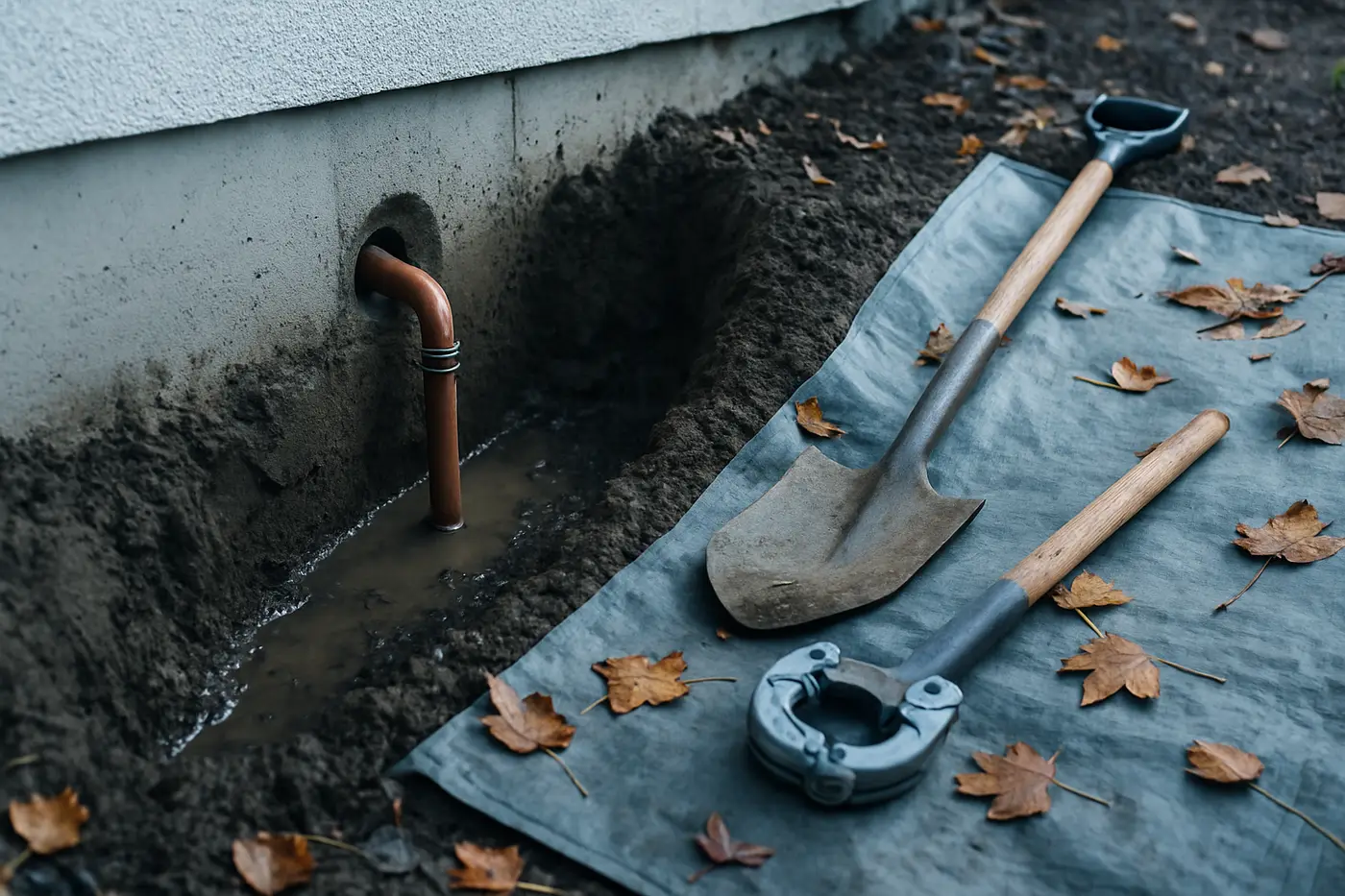
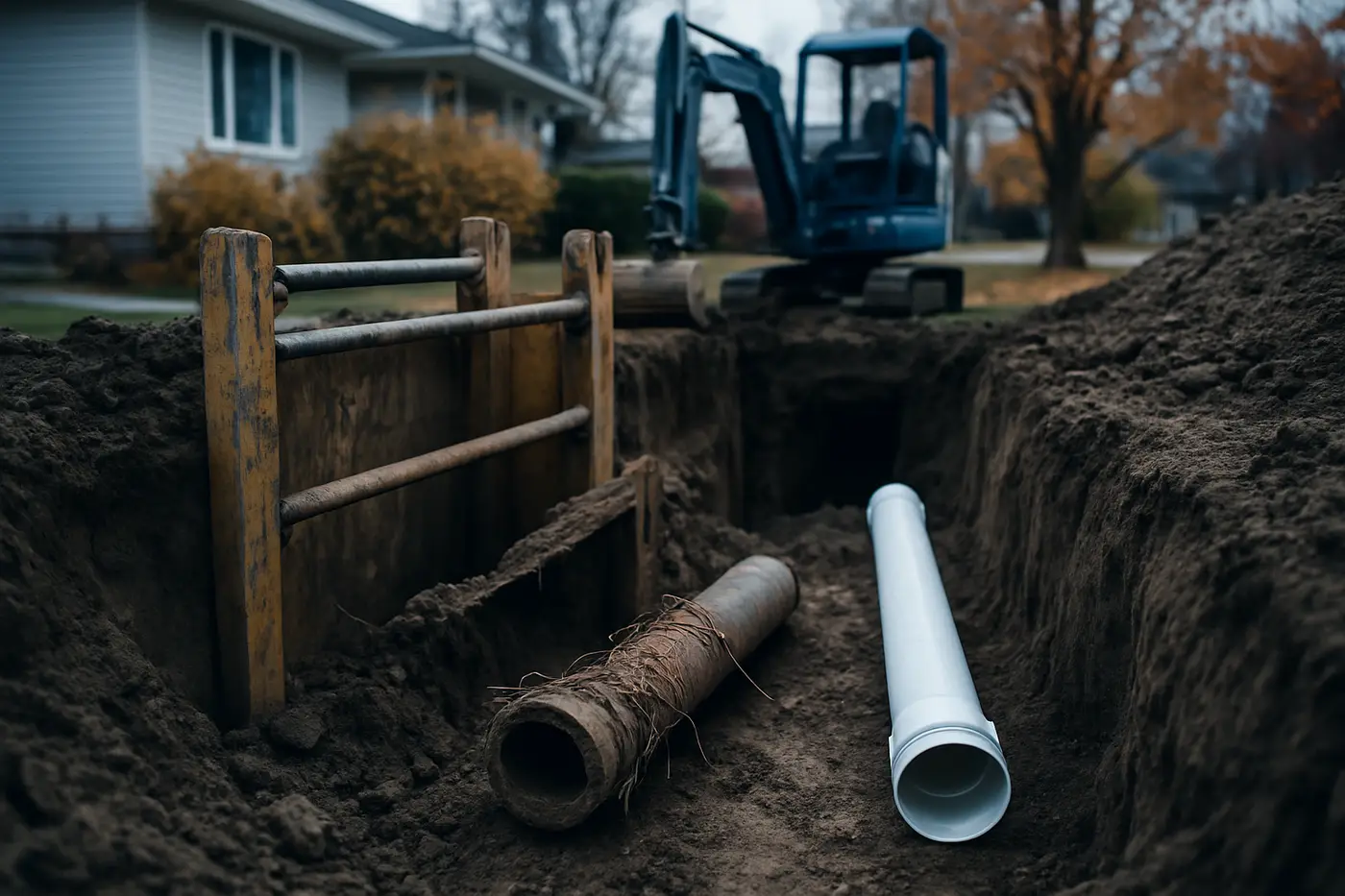
Calgary builds deep because of frost. The City’s standard calls for at least 2.5 m of cover over sanitary sewers, and a connection that leaves a basement starts low. That means excavation with shoring, careful locating of the gas, power and water services that share the yard, and restoring whatever sits on top: lawn is cheap, a driveway, garage pad or mature tree is not.
Trenchless methods can replace or reline a private connection from access pits with less surface damage. Whether trenchless works depends on the condition of the existing pipe and the route, and the camera decides that. The City is testing the same idea on its own side: the Sanitary Lateral Lining pilot relines City sanitary service lines from manholes without digging, because of tree roots and backups in older communities. That pilot covers public pipe only.
Permits and who does the work
No permit is needed to clear a drain blockage. Replacing sewer lines needs a plumbing permit, because the City requires one when a system is constructed, extended or altered. The permit is pulled by a business with a City Contractor business licence and City Qualified Tradesperson registration, and the work is inspected before backfill. Plumbing is a compulsory certification trade in Alberta; ask any local sewer damage contractor whether the work will be done by certified journeyperson plumbers, and ask for certificate details. Our plumbers are Alberta-certified journeyperson plumbers and gasfitters, certificate details available on request.
What can wait until morning
A full backup cannot wait. A slow drain that still clears usually can. If the house drains after clearing, the camera, the quote and any repair are daytime work at daytime rates: after-hours labour runs $165–$250 an hour against $110–$165 during business hours. Nobody excavates a sewer connection at 2 a.m. anyway. The emergency plumber cost guide breaks down how after-hours pricing works.
If the line has collapsed and cannot be cleared, the honest advice is to stop using water, arrange somewhere to shower and get the permit and excavation scheduled quickly.
Insurance and paperwork
Sewer backup damage is typically not covered by a standard home policy unless you added the optional sewer backup coverage. The pipe itself is usually treated as the owner’s maintenance. Either way, take photos before cleanup, keep the camera video and ask for a written report. Adjusters ask for all three.
Last updated September 26, 2026