In Depth
Water Line Repair In Calgary: How It Actually Works
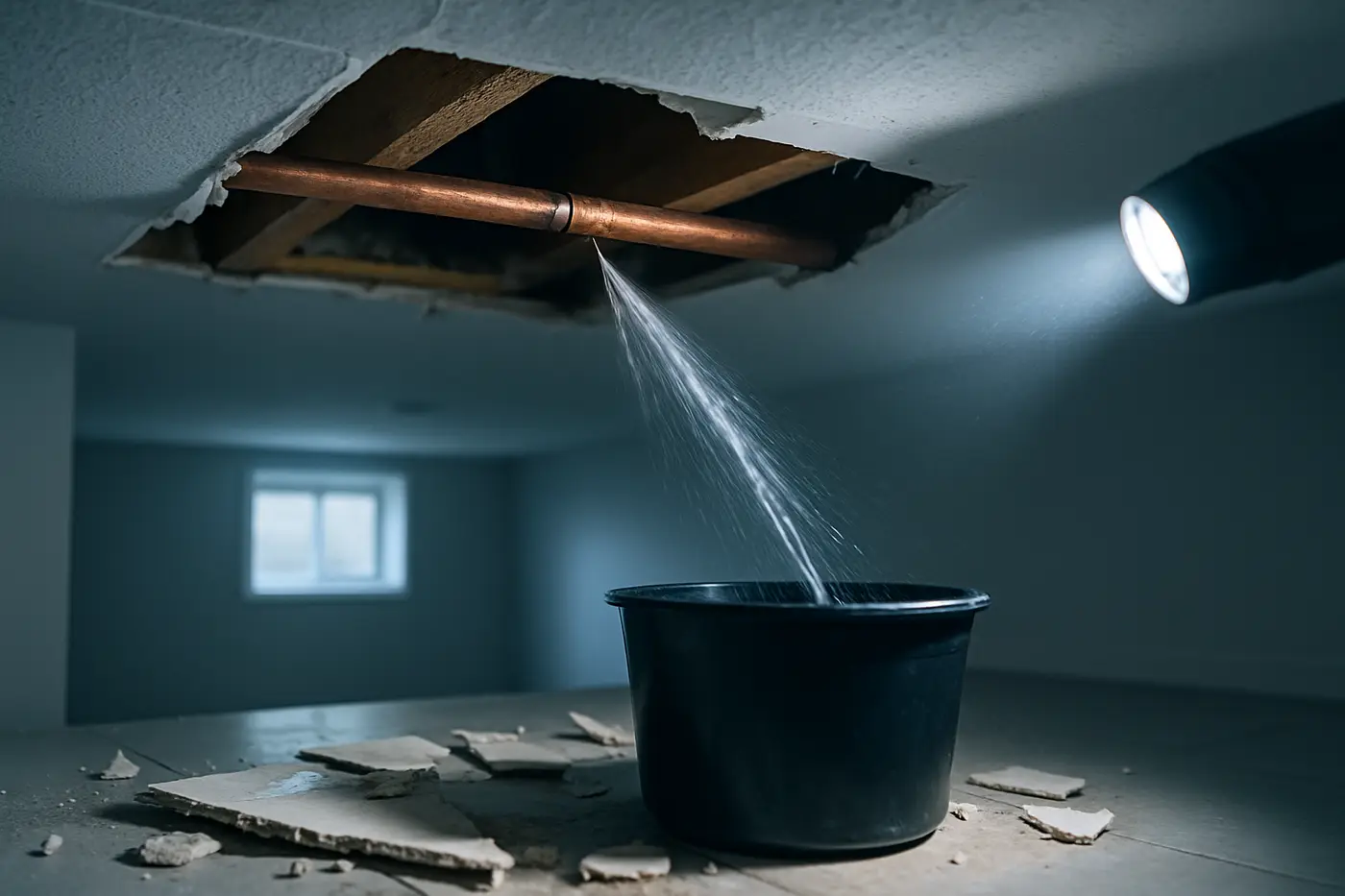
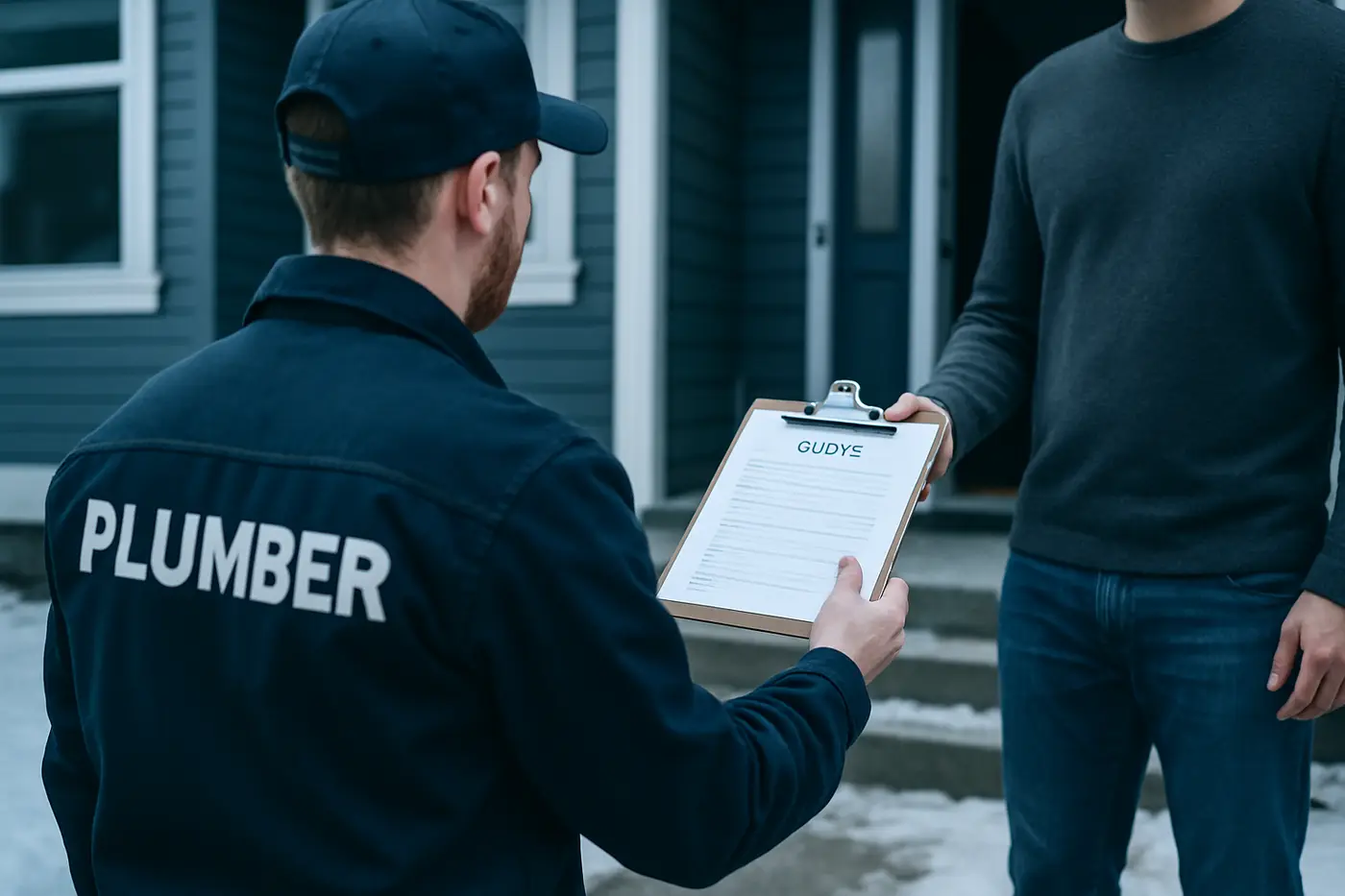
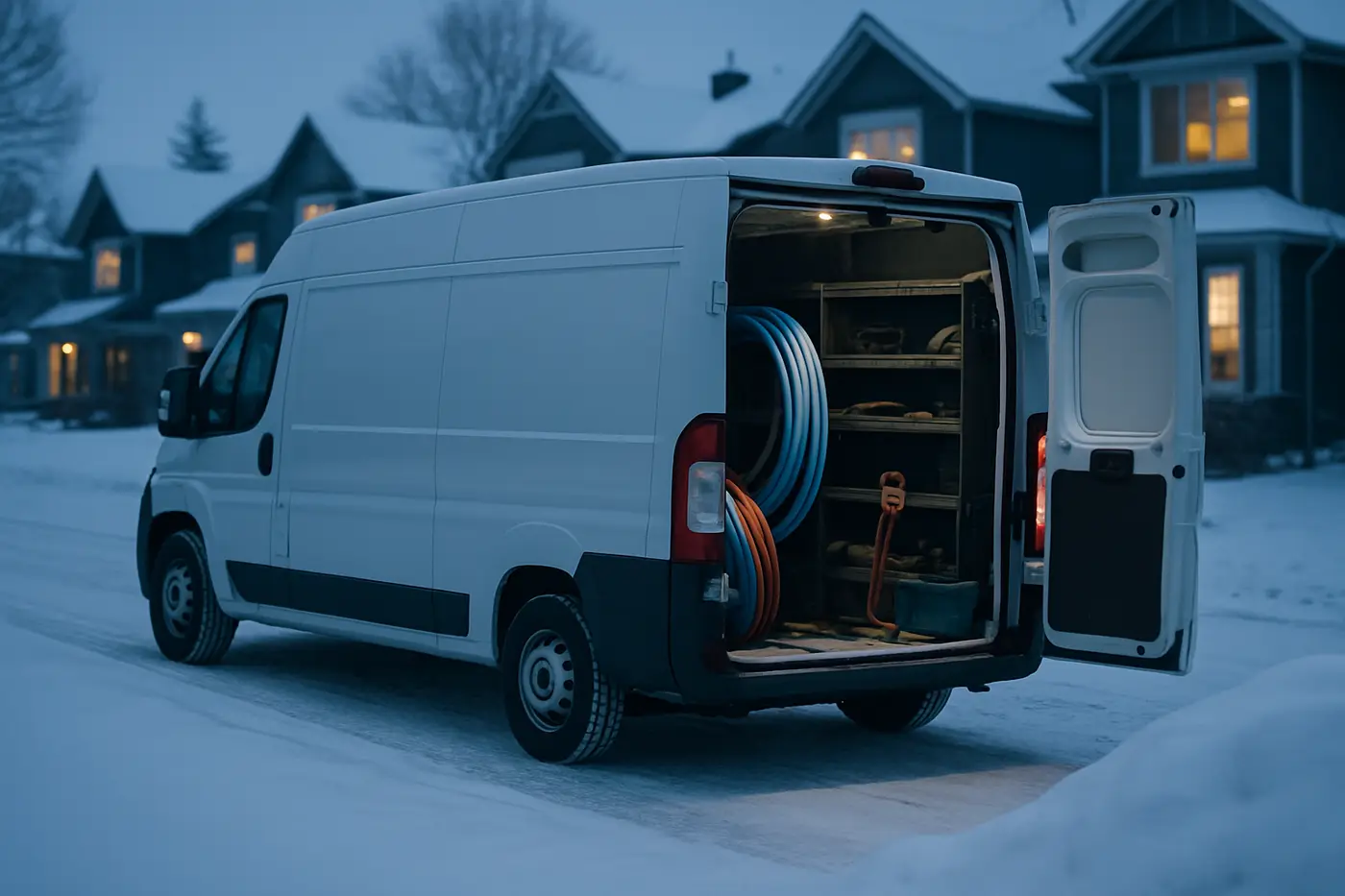
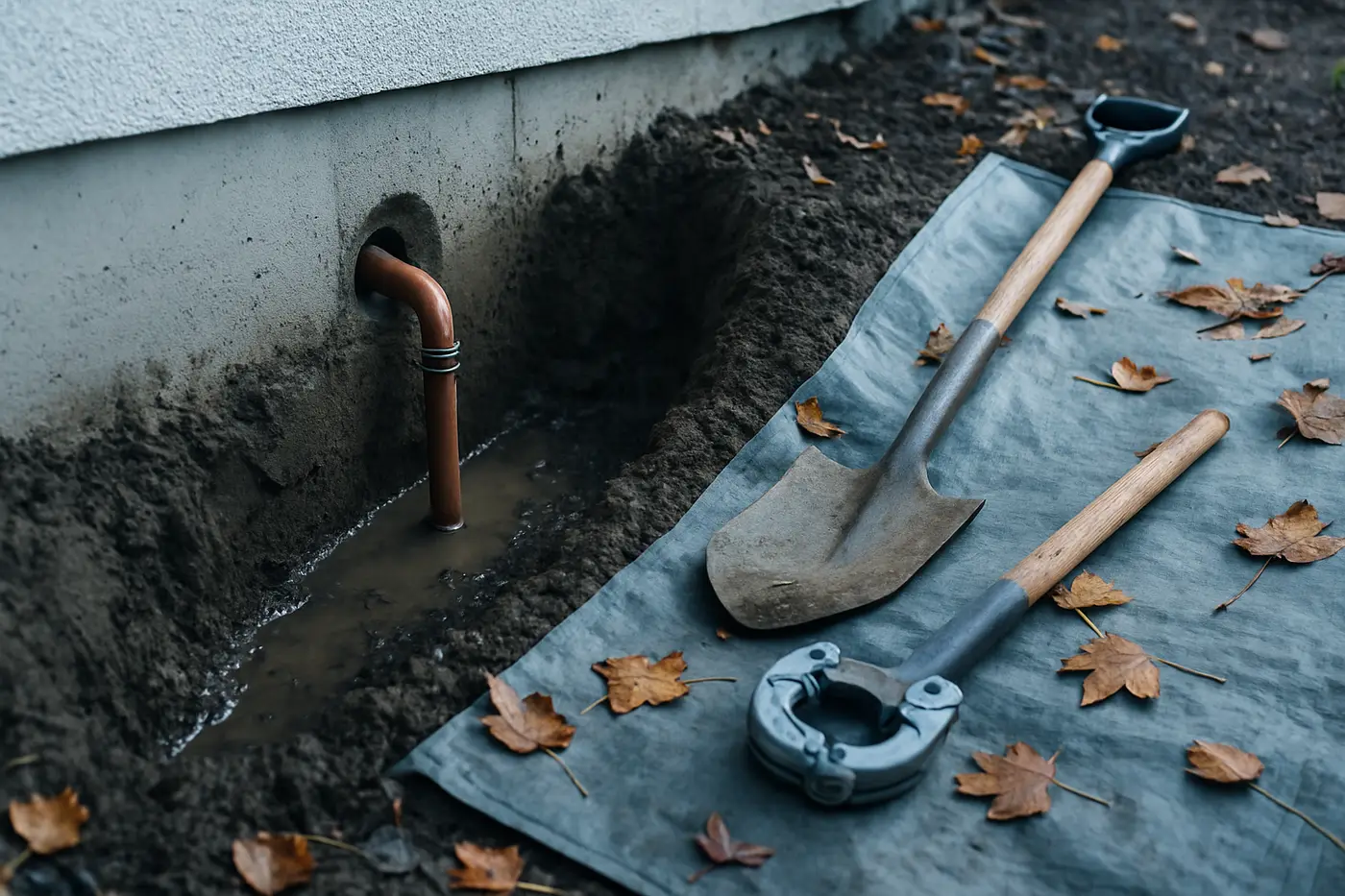
Water line repair in Calgary covers two very different jobs. One is a leaking pipe inside the house, which is usually quick, accessible and fixed the same day. The other is the water service line: the buried pipe that runs from the City main, under the front yard and through the basement wall. That one is deep, needs permits and excavation, and splits between you and the City at the property line. Whether you need water line replacement, a spot repair or plumbing leak repair indoors, the job always starts in the same place: finding exactly where the water is going.
Who owns which part
Before anyone digs, it helps to know whose pipe it is. This is the City of Calgary’s split:
| Part of the system | Owner | Who pays for repairs |
|---|---|---|
| Water main under the street | City | City |
| Service pipe from the main to the property line | City | City |
| Service valve (curb stop) at or near the property line | City, even on private land | City |
| Service pipe from the property line to the house | Homeowner | Homeowner |
| Main shut-off valve inside the house | Homeowner | Homeowner |
| Water meter | City | City, but the owner must keep it from freezing |
If a leak is on the private side, the City says it must be repaired within 15 days or the City may issue a remedial order. You hire the contractor, the contractor gets the permits, and because the City no longer leaves excavations open for private contractors, the contractor digs its own trench. A City main break or a leak on the public side is a 311 call, not a plumber call.
Leak detection before digging
Digging a 2.7 m hole in the wrong spot is the most expensive mistake in this trade. Leak detection, typically $300–$700 in Calgary, narrows it down first:
- Acoustic listening picks up the sound of pressurized water escaping along a buried or hidden pipe.
- Thermal imaging shows temperature differences in walls, floors and ceilings where water is travelling.
- Pressure testing isolates sections of the system to prove which one is losing water.
One useful clue you can check yourself: the meter. It sits inside the house on the private side of the service line. If every tap and appliance is off and the meter is still moving, the leak is somewhere after the meter, inside the house. A leak in the yard, before the water reaches the meter, will not show up that way. Signs of that are water coming through the basement wall where the line enters, a soft or sunken strip across the lawn, or lower pressure everywhere.
Why service line work costs what it does
Calgary buries water pipes deep to keep them from freezing. The City’s waterworks standard puts service pipes under 2.7 m of cover in clay and 3.3 m in gravel. A private-side repair means a deep excavation with shoring, locates for gas, power and communication lines, and restoring the lawn, driveway or walkway afterwards. Typical ranges before GST:
- Private-side water service line repair: $2,500–$8,000
- Private-side water service line replacement: $6,000–$20,000, driven by length, depth and whether trenchless methods fit
- Accessible indoor pipe leak repair: $275–$1,200
Repairing a leak does not need a permit. Replacing water lines does, because the City requires a plumbing permit whenever a system is altered, including replacing water and sewer lines. The City also says private service line repairs aren’t typically covered by a basic homeowner’s insurance policy, so check your coverage before work starts.
Shutting the water off
For an indoor leak, close the main shut-off inside the house, typically in the basement next to the meter. For a leak on the service line before that valve, the City service valve at the property line has to be closed. Owners or certified plumbers can book the City to do it:
- Single service in regular hours (8 a.m. to 4 p.m.): $57.22
- Outside hours or within 24 hours: $101.72
- Full off-and-on in one appointment (emergency): $178.00
That is why a leak outside the house can often wait for daytime: booking in regular hours is cheaper, and excavation needs daylight and locates anyway.
Older homes and lead lines
The City says lead service lines were used mainly between 1939 and 1947, and that most Calgary service pipes, including pre-1950 homes, are copper. Communities with housing from that era, such as Altadore, established in 1945, are worth a look in the City’s Public Water Service Lines open data, which shows the public-side material by address. The City replaces the public side when the owner replaces the private side, and offers identified lead-line homes water testing and a rebate for an NSF-53 filter, NSF-58 reverse osmosis or NSF-62 distillation unit. The private-side replacement itself is the owner’s cost.
Older communities like Ogden in SE Calgary, established in 1912, can have galvanized or original copper lines in the oldest houses. A look at the pipe where it enters the basement, before the meter, tells a plumber a lot about what is buried in the yard.
Indoor leaks and what the pipe is made of
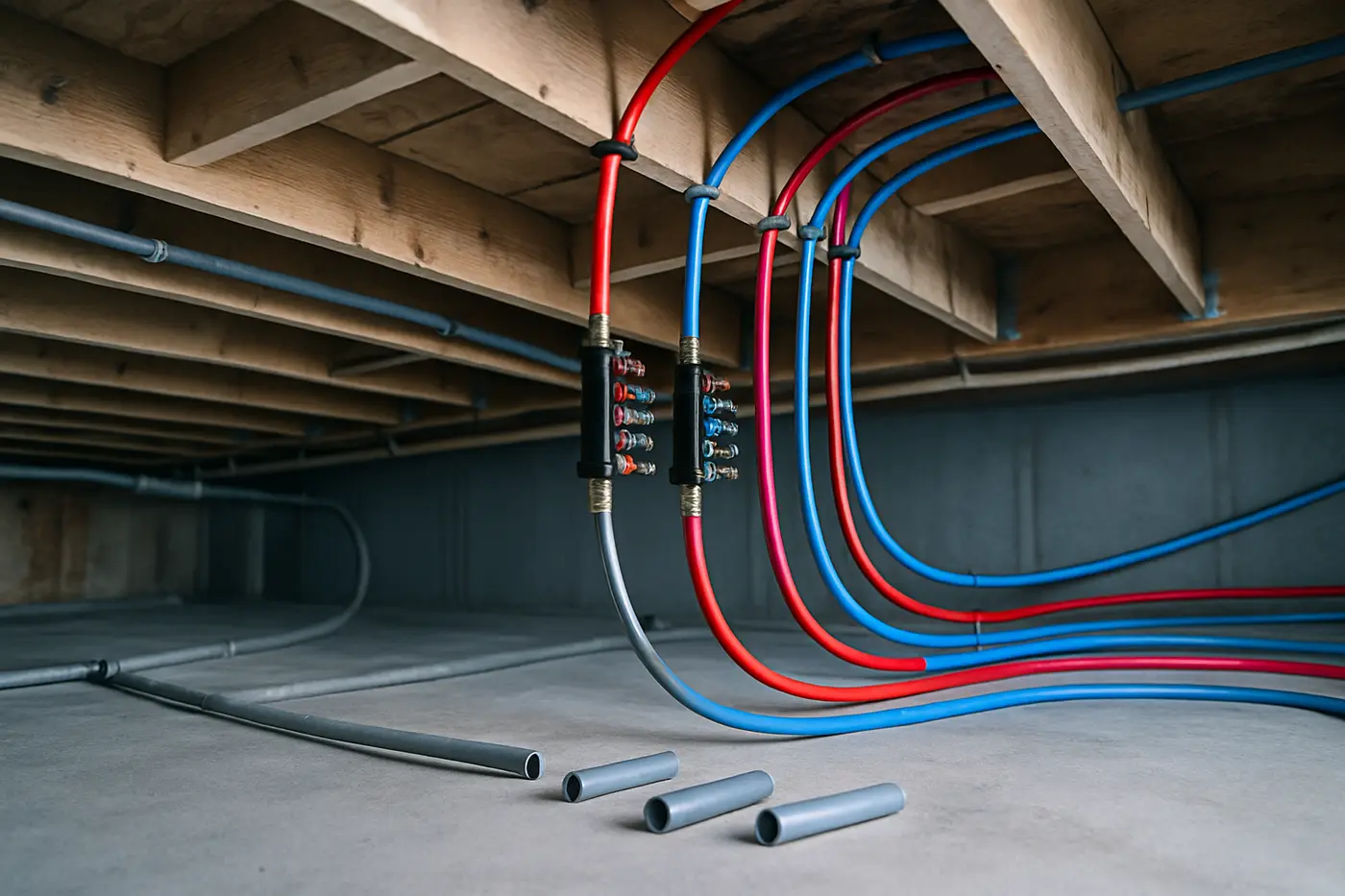
Inside the house, most leak calls come from fittings, not the middle of a pipe. The material tells you what to expect. Poly-B, the grey plastic supply pipe installed in homes from around 1978 to 1997, fails at fittings and along runs. Kitec, the orange and blue PEX-AL-PEX pipe sold from 1995 to 2007, has brass fittings that can fail. Copper is the most common in older houses and usually leaks at a joint or a pinhole.
A single accessible leak is a repair, typically $275–$1,200. When the leak is behind drywall or under a finished floor, leak detection first means the wall is opened once, in the right place. If the same house keeps leaking at fitting after fitting, the honest conversation is about Poly-B replacement rather than a fourth patch.
Winter and frozen service lines
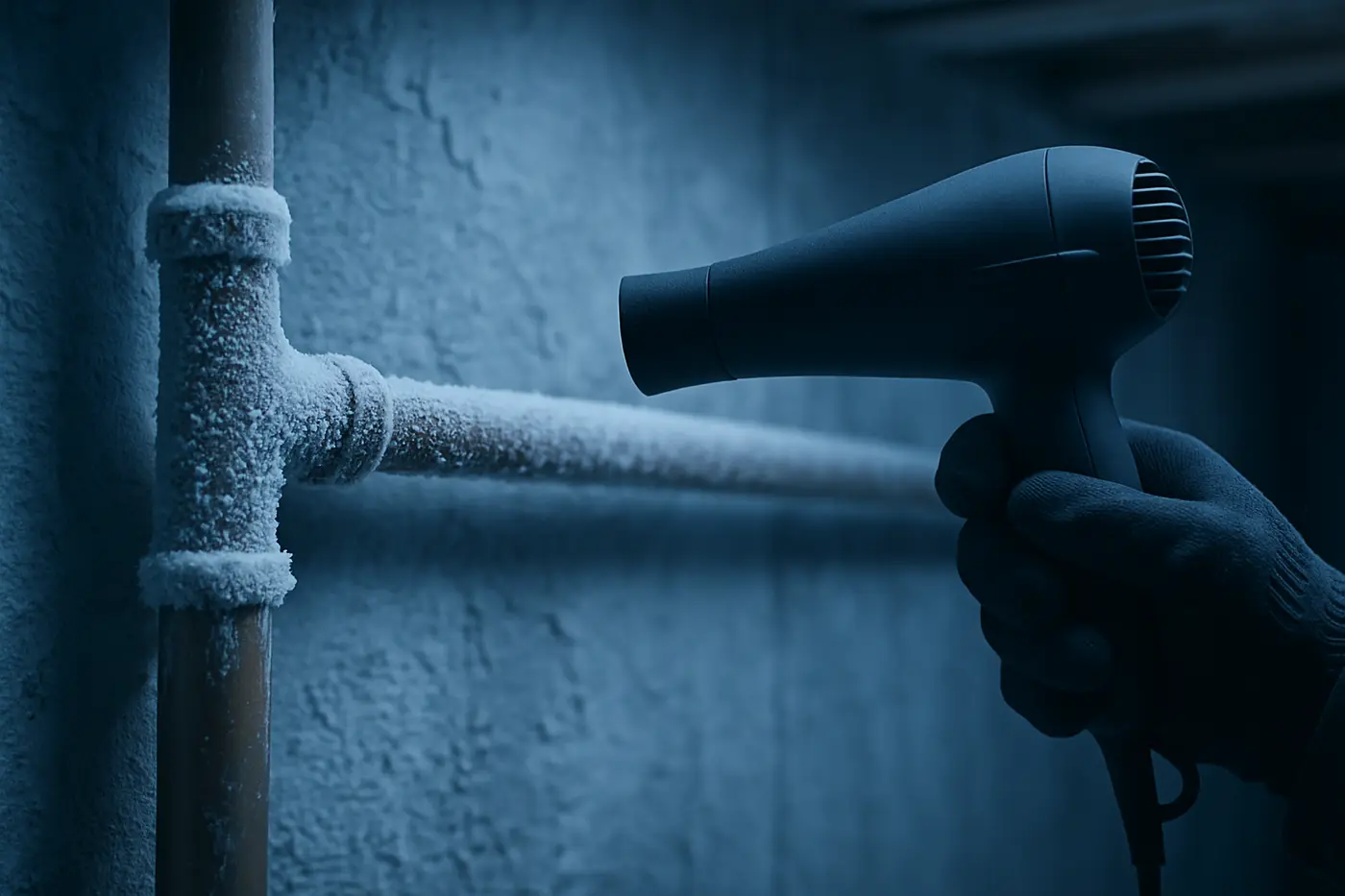
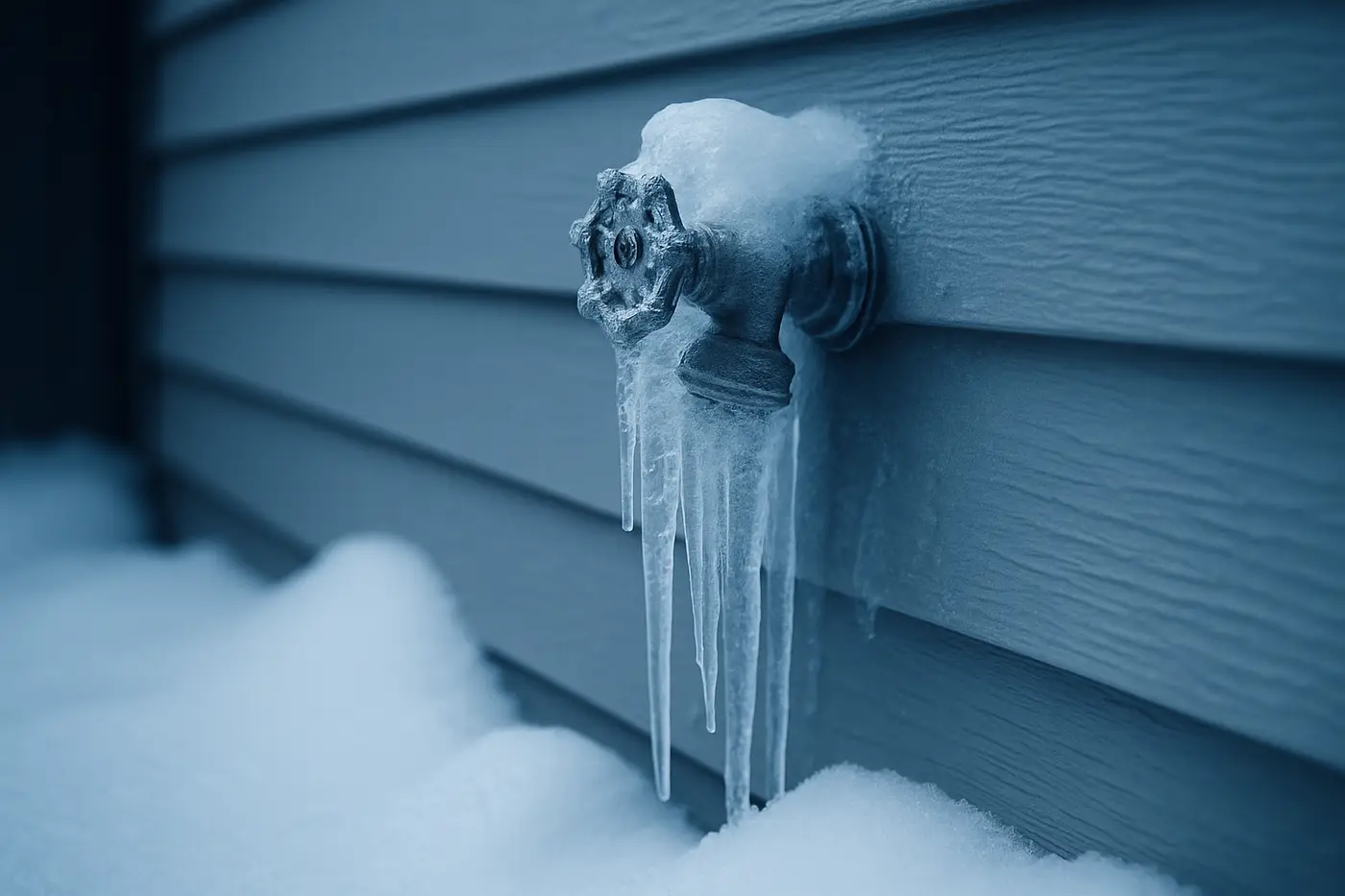
When a buried service line does freeze or break, that depth is why the fix is a major job. More often the trouble is inside: pipes along outside walls, and the meter. Keeping the meter warm enough not to freeze is the owner’s job; in 2026 the City charges $278.19 regular or $322.69 overtime/emergency for a frozen or damaged 15 mm meter. If pipes have frozen, see frozen pipe repair and the frozen pipes guide. If one has split, burst pipe repair comes first.
What to do now
Close the main shut-off if the leak is inside. If the City has flagged a private-side leak, book leak detection and a written quote within days, not weeks, so the 15-day window does not run out while you wait for locates.
Last updated September 26, 2026